
Annex 6 of the Highway Code, titled “Vehicle maintenance, safety and security”, covers the checks a vehicle needs, what the dashboard warning lights mean, window tints, fuel stations and what to do when the vehicle is left. The Highway Code’s Annex 4 says most of its provisions apply on all roads throughout Great Britain, with some exceptions. This guide is general information.
If the car catches fire or a tyre bursts
For a vehicle fire, the annex says to get the occupants out quickly and to a safe place, not to attempt to extinguish a fire in the engine compartment because opening the bonnet will make the fire flare, and to call the fire brigade. If a tyre bursts while driving, it says to try to keep control, grip the steering wheel firmly and allow the vehicle to roll to a stop at the side of the road. For a flat tyre, it says to stop as soon as it is safe, to change the tyre only if that can be done without putting anyone at risk, and otherwise to call a breakdown service. Of an overheated engine it says to wait until it has cooled naturally before removing the coolant filler cap.
What the warning lights are for
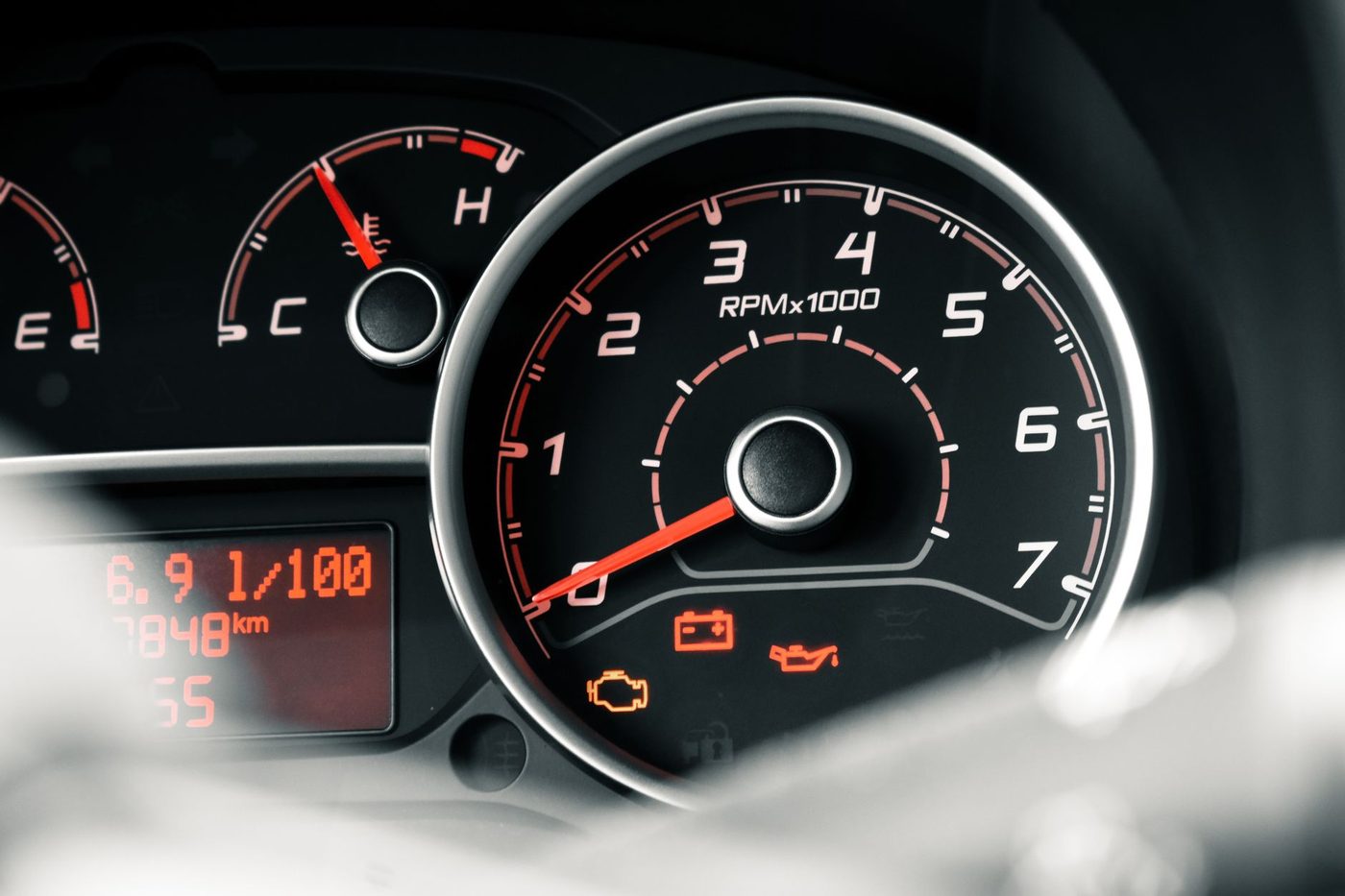
The annex says drivers should make sure they understand every warning display on the instrument panel and should not ignore them, because they could indicate a dangerous fault developing. When the ignition key is turned, warning lights will be illuminated but go out when the engine starts, except the handbrake warning light. If they do not go out, or come on while driving, the annex says to stop and investigate because a serious fault is possible. A charge warning light may mean the battery is not charging, which it says should be checked as soon as possible to avoid loss of power to lights and other electrical systems.
Weekly checks
Tyre pressures should be checked weekly, before a journey, when the tyres are cold, because warm or hot tyres may give a misleading reading. The annex says under-inflated or over-inflated tyres adversely affect brakes and steering. Fluid levels should be checked at least weekly, and it warns that low brake fluid may result in brake failure and a crash. Before winter, it says to ensure the battery is well maintained and that appropriate anti-freeze agents are in the radiator and windscreen bottle.
Lights, glass and the driving position
The annex tells drivers to take special care that lights, brakes, steering, the exhaust system, seat belts, demisters, wipers, washers and audible warning systems are all working. It says these MUST be kept clean and clear: lights, indicators, reflectors and number plates, and also windscreens and windows, which MUST be free from obstructions to vision. Lights MUST be properly adjusted so they do not dazzle other road users, and exhaust emissions MUST NOT exceed prescribed levels. Before driving, the seat, seat belt, head restraint and mirrors should be adjusted correctly and luggage securely stowed.
Window tints
A vehicle MUST NOT be used with excessively dark tinting applied to the windscreen or to the glass in any front window either side of the driver. The annex says tinting applied during manufacture complies with the Visual Light Transmittance (VLT) standards, and that there are no VLT limits for rear windscreens or rear passenger windows. It gives the law as section 42 of the Road Traffic Act 1988 and regulation 32 of the Construction and Use Regulations.
Signs that something is wrong
- If the car pulls to one side when braking, the annex says this is most likely a brake fault or incorrectly inflated tyres and that a garage or mechanic should be consulted immediately.
- If it keeps bouncing after the front or rear is pushed down, the shock absorbers are worn, which the annex says can seriously affect the vehicle and should be replaced.
- If it smells of anything unusual such as burning rubber, petrol or an electrical fault, the annex says to investigate immediately and not to risk a fire.
At the fuel station
Spilled fuel should be reported to the petrol station attendant straight away. The annex says diesel spillage is dangerous to other road users, particularly motorcyclists, because it significantly reduces grip. It asks drivers to avoid overfilling, to check that the fuel cap is fastened securely and its seal is intact, and says never to smoke or use a mobile phone on the forecourt, as these are major fire risks that could cause an explosion.
Leaving the car
When leaving a vehicle, the annex says to remove the ignition key and engage the steering lock, lock the car even for a few minutes, close the windows fully, take all contents or lock them in the boot and never leave vehicle documents in the car. It also says never to leave children or pets in an unventilated car. It suggests an anti-theft device such as an alarm or immobiliser and says etching the registration number on the windows is a cheap and effective deterrent to professional thieves.
Where penalties come in
The annex says some vehicle defects can attract penalty points. Annex 5 of the Highway Code lists “Using a vehicle in a dangerous condition” with 3 penalty points in each case, and a maximum fine listed as unlimited for LGVs and PCVs and £2,500 for other vehicles. Annex 5 says its table indicates only some of the main offences.
The bottom line
Annex 6 puts fire and tyre-burst instructions alongside routine checks: tyre pressures weekly when cold, fluid levels at least weekly, and warning lights understood rather than ignored. It sets out legal requirements on lights, windows, emissions and window tints, and security steps when the car is left. Annex 4 says the Code’s list of road traffic law is not comprehensive and that the precise wording is in the Acts and regulations.
Sources
- Annex 6. Vehicle maintenance, safety and security, The Highway Code, GOV.UK, public update 29 January 2022, page metadata 2 November 2026, read 13 November 2026 (gov.uk)
- Annex 5. Penalties, The Highway Code, GOV.UK, public update 27 July 2022, page metadata 2 November 2026, read 13 November 2026 (gov.uk)
- Annex 4. The road user and the law, The Highway Code, GOV.UK, public update 17 September 2023, page metadata 2 November 2026, read 13 November 2026 (gov.uk)