
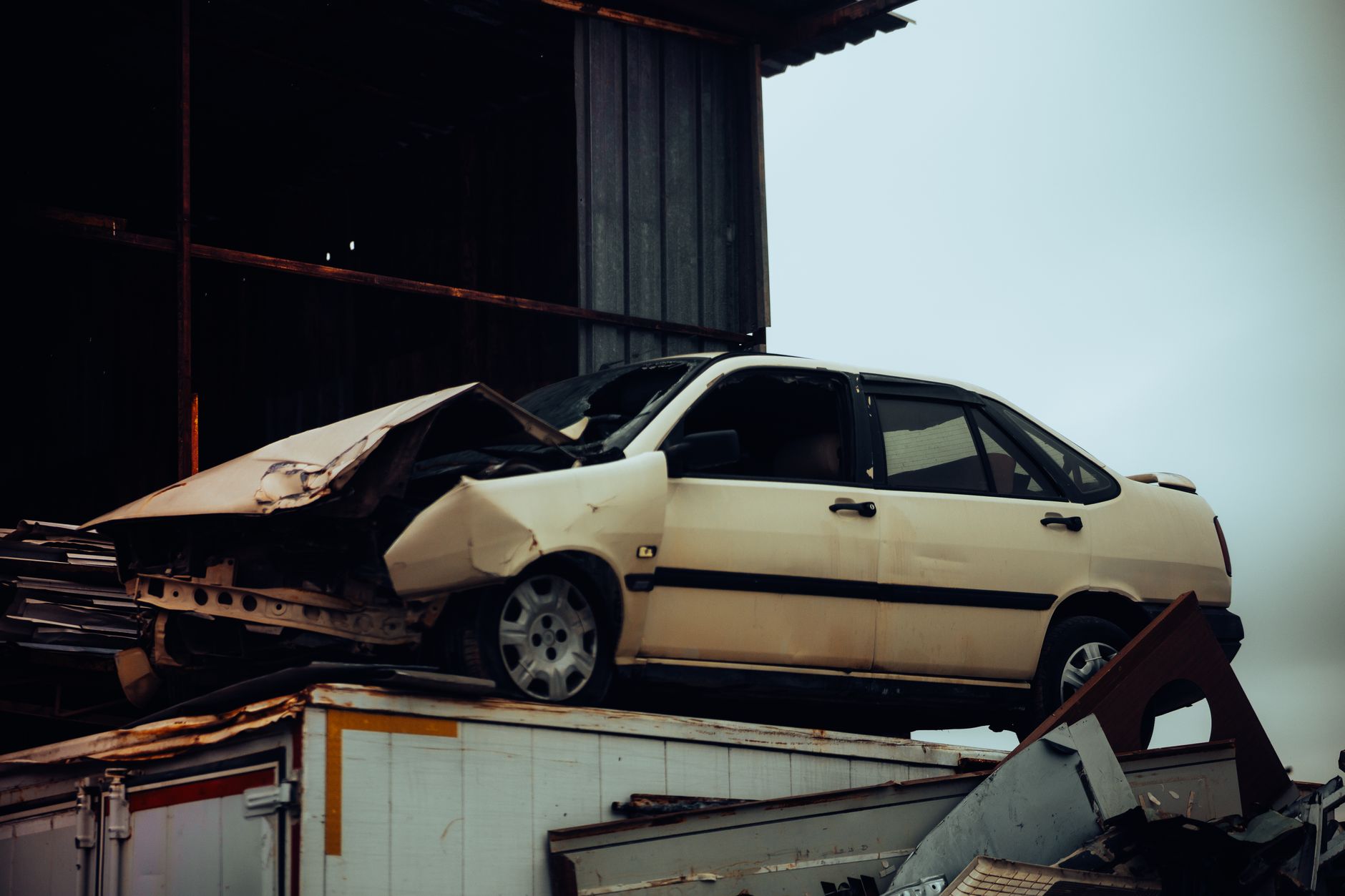
“Written off” is a confusing phrase for a new driver to hear after a collision or theft, because it does not always mean the car is scrap. This guide starts with five terms, then uses them to explain what an owner must do, how a Category N or S car can be kept, how payouts are judged and what a past write-off means when buying a first car. It draws on GOV.UK’s guidance on insurance write-offs and the Financial Ombudsman Service’s page on motor valuations and write-offs.
Five terms worth knowing first
Write-off, or total loss
The Financial Ombudsman Service says insurers sometimes call a write-off a “total loss”. A vehicle might be written off because it is not worth the cost of repairing, or because it has been stolen and never found. GOV.UK says the insurance company decides whether a vehicle should be written off and, when it is, pays the current value of the vehicle instead of the cost of repairing it.
Market value
The Ombudsman describes market value as the amount the vehicle would have been worth just before it was stolen or damaged. It adds that a value estimated on the insurance application form is not the amount the insurer would actually have to pay out in a claim.
Categories A and B
GOV.UK’s table says neither category can be repaired. A Category A vehicle has to be crushed entirely; with Category B the body shell has to be crushed, but other parts can be salvaged. GOV.UK’s vehicle registration guide treats a Category A or B write-off as “seriously damaged”, which means it cannot be registered with DVLA.
Categories N and S
Both can be repaired. Category N follows non-structural damage and Category S follows structural damage. In each case GOV.UK says the vehicle can be used again if it is repaired to a roadworthy condition.
Salvage
Salvage is the damaged vehicle itself. The Ombudsman says the insurer usually owns it once the owner has accepted payment for the full market value, but that it does not think it fair for an insurer to scrap a vehicle without telling the owner.
What the owner has to do
GOV.UK says the insurance company will usually deal with getting the vehicle scrapped, and lists the owner’s steps:
- Apply to take the registration number off the vehicle if it is to be kept.
- Send the vehicle log book (V5C) to the insurer, keeping the yellow “sell, transfer or part-exchange your vehicle to the motor trade” section.
- Tell DVLA the vehicle has been written off.
GOV.UK warns that the owner can be fined £1,000 for not telling DVLA.
Keeping a Category N or S car
An owner who wants to keep a Category N or S vehicle receives an insurance payout and the insurer sells the vehicle back. For a Category S vehicle, GOV.UK says the owner must also send the complete log book to the insurer and apply for a free duplicate log book on form V62, and DVLA will record the vehicle’s category in the log book. The log book can be kept for a Category N vehicle.
The Ombudsman says it would normally think it fair for the insurer to deduct what it would have made from selling the salvage, but it would ask for evidence of that figure. GOV.UK’s condition for using the car again is a repair to a roadworthy condition, and its “Buy a vehicle” steps say a vehicle must be insured before it is used on the road; the site’s guides to fronting and black box policies and to vehicle tax for a first car cover the other paperwork.
When the payout looks too low
The Ombudsman says most of the complaints it sees about write-offs are disagreements over market value. The points it says it looks at include:
- Valuation guides first. If specialist motor valuation guides give similar values and the insurer’s figure is in line with them, it is likely to agree with the insurer; where they vary significantly, it looks for other evidence.
- Adverts now count. It now typically considers adverts, which should match the car’s specification as closely as possible.
- A recent purchase. If the car was bought second-hand just before the claim, the guides are still the starting point, but the insurer should take the recent purchase price into account.
- Pre-existing damage. A deduction is only fair if the damage would have affected market value; small scratches might matter on a brand new vehicle but not on one that is 15 years old.
- No valid MOT. If the vehicle had no valid MOT and would have failed one, a small deduction is probably fair.
A complaint goes to the insurer first; after eight weeks without a final response, or an unsatisfactory one, the free Ombudsman service can be used.
Buying a car that has been written off before
A past write-off can matter again if the car is later written off a second time. The Ombudsman says previously written-off vehicles can put off buyers however well they have been repaired, so insurers are likely to lower the valuation if the car is written off again. If the owner knew, or should have known, they were buying a repaired write-off, a deduction may be fair; if it was reasonable not to know the history, the Ombudsman is likely to tell the insurer to pay the full market value.
Because DVLA records a Category S vehicle’s category in the log book, the V5C is worth reading closely. GOV.UK’s “Buy a vehicle” steps also include checking DVLA’s details, the MOT history, safety recalls and that the log book is not for a stolen vehicle, all covered in the guide to buying a first car.
The bottom line
A write-off means the insurer pays market value instead of repairs. Categories A and B cannot be repaired, while N and S can return to the road once repaired to a roadworthy condition, and the owner must tell DVLA or risk a £1,000 fine. The Financial Ombudsman Service judges disputed valuations mainly against valuation guides and comparable adverts. A past write-off can lower a car’s value in a later claim.
Sources
- Scrapping your vehicle and insurance write-offs, GOV.UK, read 25 November 2026 (gov.uk)
- Vehicle registration, GOV.UK, read 25 November 2026 (gov.uk)
- Get vehicle information from DVLA (Buy a vehicle: step by step), GOV.UK, read 25 November 2026 (gov.uk)
- Motor valuations and write-offs, Financial Ombudsman Service, read 25 November 2026 (financial-ombudsman.org.uk)