
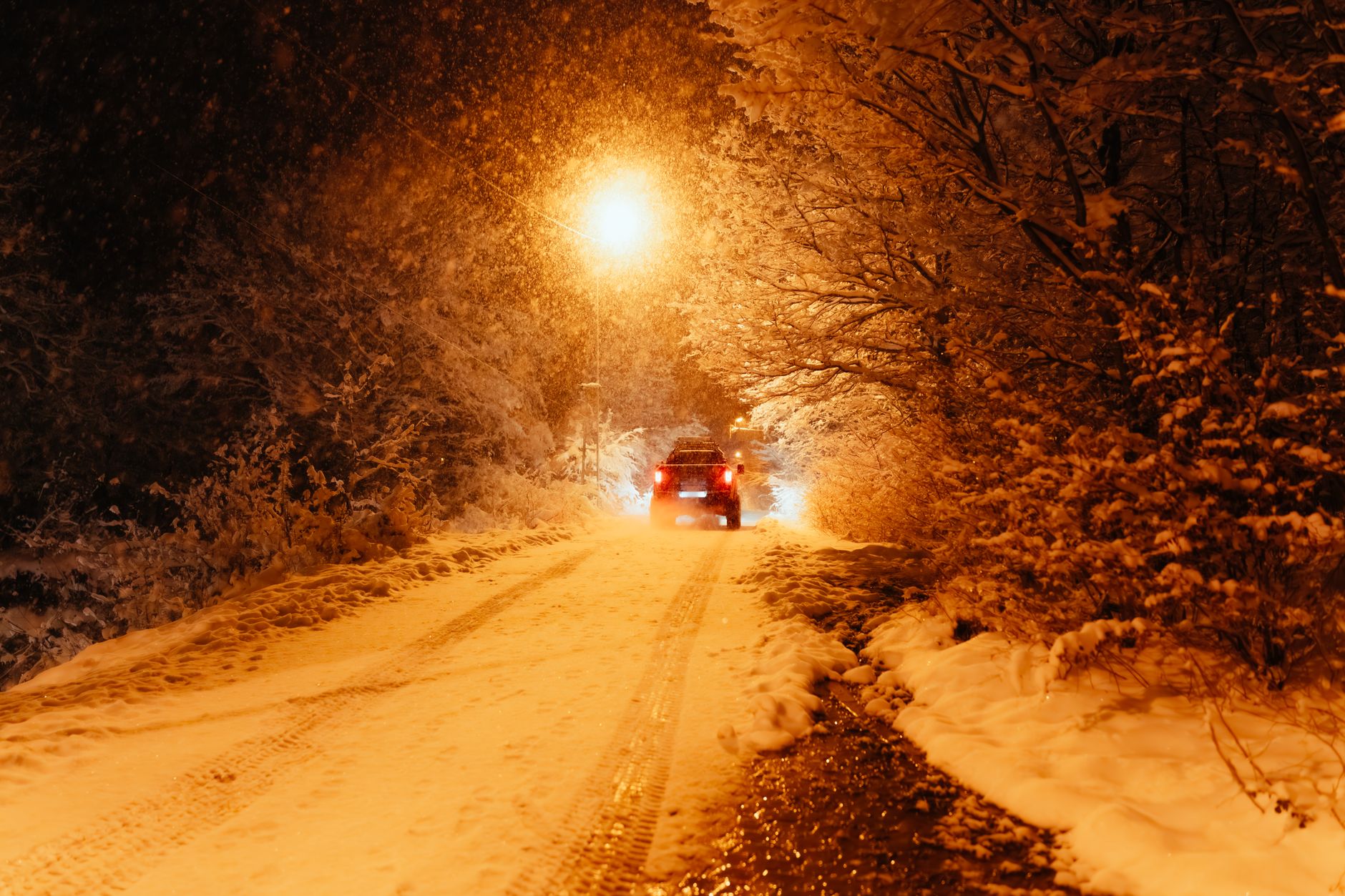
A driving test cancelled due to weather is a familiar winter worry. GOV.UK’s car driving test guide says tests are not carried out in dangerous weather conditions, and it explains what the Driver and Vehicle Standards Agency (DVSA) does when a test cannot go ahead. The questions below follow that guidance, DVSA’s 2026 booking rules and the Highway Code for England, Scotland and Wales, as read on 16 November 2026. GOV.UK points learners in Northern Ireland to a different service for changing a driving test, so the booking answers here do not cover Northern Ireland.
Which weather conditions stop a test going ahead?
GOV.UK gives examples rather than a fixed list. It says driving tests are not carried out in dangerous weather conditions, such as when the roads are icy or if there is flooding, thick fog or high winds.
Its advice to candidates is to call the test centre if any of these conditions are present on the day of the test. The test centre’s phone number is on the booking confirmation email.
What does DVSA do if it calls the test off?
If the test cannot go ahead because of the weather, GOV.UK says DVSA will:
- automatically book the next available date for the test
- send the details within 3 working days, which can take up to 7 days during a long period of bad weather
The candidate can change the date they are given if it is not suitable.
The position is different when the problem is the candidate or the car. GOV.UK says a candidate will have to book another test and pay again if the test cannot be completed because of a problem with them, for example feeling unwell during the test, or with their car, for example if it breaks down during the test or does not meet the rules to be used. The vehicle rules are covered in the guide to taking your driving test in your own car.
Does a weather cancellation use up one of the 2 changes?
Under DVSA’s booking rules that changed in 2026, GOV.UK says car test candidates can make only 2 changes to an existing booking. Changing the date, changing the test centre and swapping an appointment with another learner all count as changes.
Changes that DVSA needs to make, for example because of bad weather, do not count towards that limit. GOV.UK goes further: if DVSA changes a test, the candidate is reset to having 2 changes available again.
The usual notice rules still apply if the candidate then wants to move the new date. To change a car driving test for free, GOV.UK says 10 full working days’ notice is needed, with Monday to Saturday counting as working days but not Sundays or public holidays. Moving to a more expensive weekend, evening or bank holiday appointment means paying the difference, and moving to a cheaper weekday slot brings a refund of the difference. Only the candidate may change, cancel or swap their own test; an instructor is not allowed to do it for them. The wider fee rules are in the guide to DVSA cancellation windows and refunds.
Can lost lesson or travel costs be claimed back?
Not for weather. GOV.UK states that you cannot claim for any out-of-pocket expenses if your test is cancelled because of bad weather.
Cancellations for other reasons are treated differently. GOV.UK gives the example of an examiner who is unwell: the candidate will be sent a new date, can change it if it is not suitable, and can apply for a refund of out-of-pocket expenses if DVSA cancels the test at short notice.
What an instructor charges for a lesson or for the use of their car around a cancelled test is not covered by the GOV.UK guidance. The guide to driving lesson cancellation policies looks at how instructors set those terms.
Which Highway Code rules matter most for winter lessons?
Dark evenings and cold mornings bring several Highway Code rules into everyday lessons:
- Rule 113 says drivers MUST use headlights at night, except on a road with lit street lighting, and defines night as the period between half an hour after sunset and half an hour before sunrise.
- Rule 115 says drivers should use dipped headlights, or dim-dip if fitted, at night in built-up areas and in dull daytime weather, so they can be seen.
- Rule 226 says drivers MUST use headlights when visibility is seriously reduced, generally when they cannot see for more than 100 metres (328 feet).
- Rule 236 says front or rear fog lights MUST NOT be used unless visibility is seriously reduced, and MUST be switched off when it improves.
- Rule 229 says that before setting off drivers MUST be able to see, so all snow and ice must be cleared from all windows, and lights MUST be clean and number plates clearly visible and legible.
- Rule 230 warns that in icy or snowy weather stopping distances can be ten times greater than on dry roads.
Rule 228 adds that in winter drivers should check the local weather forecast for warnings of icy or snowy weather, and should not drive in these conditions unless the journey is essential. The full set of weather rules is in the guide to driving in rain, ice, fog and wind.
The bottom line
GOV.UK says driving tests are not carried out in dangerous weather such as icy roads, flooding, thick fog or high winds, and asks candidates to call the test centre on the day if those conditions are present. When the weather stops a test, DVSA books the next available date and sends details within 3 working days, or up to 7 in a long spell of bad weather. A change made by DVSA does not count against the 2-change limit, and resets it. Out-of-pocket expenses cannot be claimed for weather cancellations, although they can be for some short-notice cancellations for other reasons. For lessons, the Highway Code’s lighting and winter rules set out what learners and instructors must and should do in the dark and the cold.
Sources
- Driving test: cars, If your test is cancelled or there’s bad weather, read 16 November 2026 (gov.uk)
- Changes to driving test booking rules in 2026, Driver and Vehicle Standards Agency, read 16 November 2026 (gov.uk)
- Change your driving test appointment, read 16 November 2026 (gov.uk)
- The Highway Code: driving in adverse weather conditions (226 to 237), read 16 November 2026 (gov.uk)
- The Highway Code: general rules, techniques and advice for all drivers and riders (103 to 158), read 16 November 2026 (gov.uk)