
Questions about dashcams, posting test footage online and who may sit in the car can all be checked against GOV.UK. This guide sets some common beliefs against three GOV.UK pages: the Driver and Vehicle Standards Agency (DVSA) policy on filming or recording driving tests (last updated 19 April 2021), the DVSA guidance on sitting in and observing driving tests (last updated 6 February 2025) and the GOV.UK page on the car driving test (page undated). All were read on 5 November 2026. The first two say they apply to England, Scotland and Wales. General information, not legal advice.
“Recording a driving test is banned outright”
The policy’s summary says DVSA has a policy generally of not allowing the recording or filming of driving tests, and that the policy sets out what can and cannot be filmed, including with dashcams. There is one exception for insurance. A dashcam or other camera fitted to the vehicle for insurance purposes is allowed if it films only outside the vehicle and does not record audio from inside it. It must also not block the view of the road and traffic ahead for the candidate or the driving examiner.
For motorcycle tests the policy allows a helmet-mounted camera for insurance purposes as long as it does not film the examiner. It does not allow a rear-facing camera on the motorcycle, or external-facing cameras on a motorcycle an instructor is using to observe a test.
“A camera pointing at the driver is harmless”
According to the policy, the examiner will not start the test if they think the inside of the vehicle is being filmed or recorded, and will stop the test if they become aware that it is being filmed or recorded. The candidate is given the chance to turn the equipment off. If it cannot be turned off quickly or easily, the examiner ends the test and the candidate has to pay for another.
“Photos are different from video”
The same policy page covers photographs. It says a person is not allowed to take photos of a driving test in progress, or of driving examiners unless they give permission. At a theory test centre, filming, photos and recording are not allowed anywhere inside.
“Footage of a test can go on social media”
The policy says footage, photos or audio must not be uploaded to social media if driving examiners can be identified from them, which includes their image, voice or full name. Examiners can report content they appear in to get it removed. It adds that uploading content with identifiable people without their consent could break the law or the site’s own privacy policy or terms and conditions, and points to the “Information Commission’s Office” website (the page’s wording) for detailed data protection guidance. Permission to film for TV or other broadcasts is dealt with separately, through DVSA’s Media team.
“A recording will overturn a fail”
The policy states that recordings cannot be used to challenge a driving test result, that DVSA will not review or comment on test videos or recordings, and that videos or recordings about alleged criminal activity are referred to the police. A candidate who thinks the examiner did not follow the law about how tests must be carried out is directed to the appeal process instead. The car driving test page says that route needs proof the examiner did not follow the law, and that if DVSA agrees with a complaint the result cannot be changed, though a refund or a free retest is possible.
“Nobody else is allowed in the car”
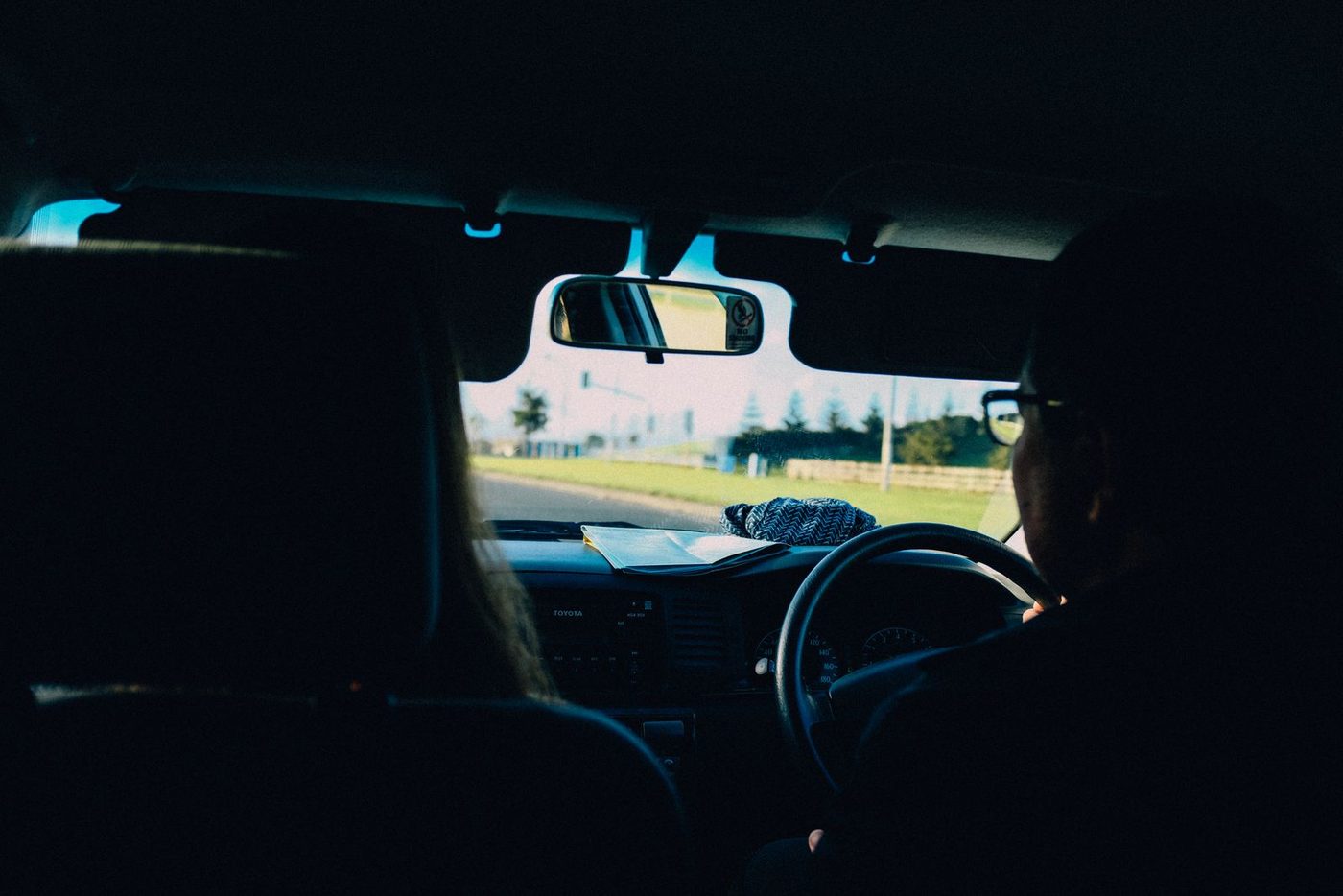
A person can sit in the back. The car driving test page says the examiner will ask whether the candidate wants someone to sit in the back during the test or be present for the result and feedback, usually the driving instructor, though a relative or friend can be taken. It says they cannot take any part in the test and gives the age as “over 16”. The observing guidance says driving instructors and supervising drivers can sit in the back and gives the age as “16 or over”. The two pages word the age differently; DVSA can confirm which applies to a particular observer.
- Numbers: only one observer is usually allowed; two may be allowed as a reasonable adjustment for a specific need, which has to be mentioned to the examiner at the start.
- Before the test: phones off or on silent.
- During the test: an observer can take notes and change position to improve the candidate’s visibility during the reverse exercises, but must not answer a phone, prompt the candidate by coughing or nudging the seat, or nod enthusiastically or make excessive eye contact, which the guidance says can be seen as a pre-arranged code.
- Concerns: the guidance says to speak to the test centre manager or follow the complaints procedure about genuine concerns on how the test was conducted.
The examiner’s supervisor
A separate person may also be present. The car driving test page says the examiner’s supervisor might sit in to watch the examiner’s performance, and that if the candidate refuses, the test can be cancelled and a new one has to be booked and paid for again.
The bottom line
Per DVSA’s policy, driving tests generally cannot be filmed or recorded, with an exception for an insurance camera that films only outside the vehicle, records no audio from inside and does not block the view. Photos of a test in progress are not allowed, footage with identifiable examiners must not be uploaded to social media, and recordings cannot be used to challenge a result. One observer can usually sit in, subject to the age wording and the rules above. The examiner’s supervisor may also sit in, and refusing can mean a cancelled test.
Sources
- Filming or recording driving tests: what you’re allowed to do, Driver and Vehicle Standards Agency (GOV.UK), published 2 September 2014, last updated 19 April 2021, read 5 November 2026 (gov.uk)
- Sit in and observe driving tests, Driver and Vehicle Standards Agency (GOV.UK), published 15 January 2013, last updated 6 February 2025, read 5 November 2026 (gov.uk)
- Driving test: cars, GOV.UK, page undated, read 5 November 2026 (gov.uk)