
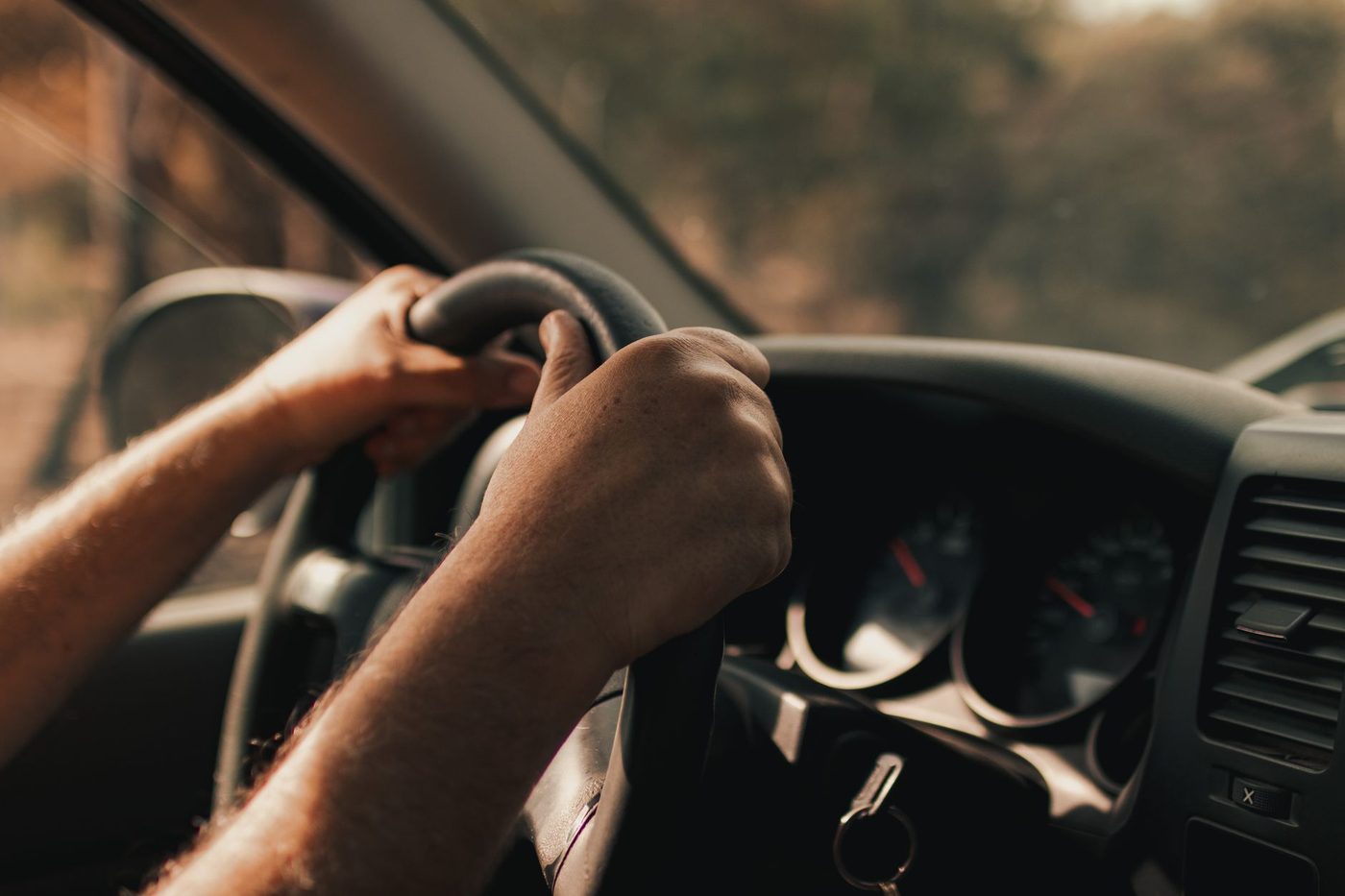
The Highway Code has a short annex written for people who have just passed their test. It is called the Safety code for new drivers, and it says it gives advice for the first 12 months after passing, “when you are most vulnerable”. This guide reads that annex alongside Annex 3 of the Code (documents and insurance) and the GOV.UK Pass Plus page. All were read on 4 November 2026; GOV.UK’s content records show the annexes updated on 2 November 2026 and Pass Plus on 28 October 2026. The Code applies to England, Scotland and Wales, and Northern Ireland has its own guidance. This is general information.
Why a separate code for year one?
Annex 8 says that even though a newly qualified driver has shown the skills needed, many lack experience, and that “as many as one new driver in five has some kind of collision in their first year of driving”. The page does not date that figure or name its source, so it is best read as the Code’s own framing. It says new drivers need to keep developing their skills, especially anticipating the behaviour of other road users.
The advice, grouped by theme
Night, passengers and showing off
The Code says many of the worst collisions happen at night and that midnight to 6am is a time of high risk for new drivers, advising them to avoid driving then unless it is really necessary. It is worded as advice, not as a legal limit. On passengers, it says a driver is responsible for their safety, should not let them distract or encourage risk-taking, and should tell them that concentration is needed. It adds: never show off or try to compete with other drivers, particularly if they are driving badly.
Alcohol, drugs and seat belts
The advice is not to drive after consuming any alcohol or taking drugs. It also says even over-the-counter medicines can affect driving safely and that the label should be read to see if they may affect driving. Everyone in the car should wear a seat belt throughout the journey.
Speed and powerful cars
Speed should be kept down, because many serious collisions happen when the driver loses control, particularly on bends. The Code says most new drivers have no experience of high-powered or sporty cars and, unless they learnt in one, need plenty of experience driving on their own before moving to a more powerful car.
Insurance: the offence the annex names
Annex 8 says driving while uninsured is an offence and points to Annex 3. Annex 3 says a motor vehicle must have a valid insurance policy covering at least injury or damage to a third party. It describes three types of cover. Third-party insurance is called “often the cheapest” and the legal minimum, and it does not cover damage to the driver’s own vehicle or injury to the driver. Third-party, fire and theft adds cover against theft or fire damage. Comprehensive cover is described as the most expensive and also covers damage to the driver’s own vehicle, up to its market value, and personal injury to the driver.
Annex 3 also says uninsured drivers can be detected automatically by roadside cameras, and that a vehicle can be seized, taken away and crushed. It adds that a driver must be able to produce a driving licence, a valid insurance certificate and, if appropriate, a valid MOT certificate when a police officer asks, and may be asked to take them to a police station within seven days.
Six points in two years
Annex 8 says that under the New Drivers Act a licence is revoked if the driver gets six penalty points within two years of passing the first driving test, and that both the theory and practical tests must be passed again to get the full licence back. Annex 8 gives this only as a reminder; it does not list which offences carry points.
What Pass Plus is
Annex 8 suggests further training such as Pass Plus, which it says could save money on insurance and help reduce the risk of a collision. GOV.UK’s Pass Plus page is more cautious about money: it says completing the course may help get a car insurance discount, that the discount depends on the insurer, and that not all insurers offer one. The page describes Pass Plus as practical training of at least 6 hours, most useful in the year after passing the test, taught by a Pass Plus registered approved driving instructor.
It has 6 modules: driving in town, in all weathers, on rural roads, at night, on dual carriageways and on motorways. There is no test, but the learner is assessed throughout and must reach the required standard in all modules. A certificate has to be requested from DVSA by sending the signed training report, and the page says it is needed for an insurance discount. Fees depend on where the learner lives, the instructor or school and the length of training, and some councils offer discounts.
The bottom line
Annex 8 of the Highway Code gives advice, not a legal ban, for the first 12 months after passing: avoid midnight to 6am unless necessary, manage passengers, keep speed down, never drive after alcohol or drugs, and build experience before a powerful car. The annex itself flags two legal consequences: driving uninsured is an offence, and under the New Drivers Act a licence is revoked at six penalty points within two years. Pass Plus is optional, and GOV.UK says a discount depends on the insurer.
Sources
- The Highway Code: Annex 8, Safety code for new drivers, GOV.UK, content record updated 2 November 2026, read 4 November 2026 (gov.uk)
- The Highway Code: Annex 3, Motor vehicle documentation and learner driver requirements, GOV.UK, content record updated 2 November 2026, read 4 November 2026 (gov.uk)
- The Highway Code, GOV.UK, content record updated 2 November 2026, read 4 November 2026 (gov.uk)
- Pass Plus, GOV.UK, content record updated 28 October 2026, read 4 November 2026 (gov.uk)