
Rule 91 of the Highway Code puts a number on rest: a minimum break of at least 15 minutes after every two hours of driving is recommended. It is one of several rules, numbered 89 to 94 and 97, that deal with the driver and the vehicle before a journey starts. This guide reads the GOV.UK Highway Code page Rules for drivers and motorcyclists (89 to 102, content record last updated 2 November 2026) alongside two GOV.UK guides, Driving eyesight rules (last updated 9 September 2026) and Medical conditions, disabilities and driving (last updated 9 September 2026), all read on 3 November 2026. It is general information, not legal advice.
What must be in place before the engine starts?
Rule 97 sets two musts. The driver must have a valid licence and insurance for the vehicle about to be used, and the vehicle must be legal and roadworthy. Rule 89 adds that a driver must ensure the vehicle and any trailer comply with the full requirements of the Road Vehicles (Construction and Use) Regulations and the Road Vehicles Lighting Regulations.
What does “fit to drive” involve?
Rule 90 tells drivers to make sure they are fit to drive and says a driver must report to the Driver and Vehicle Licensing Agency (DVLA) any health condition likely to affect driving. The GOV.UK medical guide adds that notifiable conditions are anything that could affect the ability to drive safely, and that someone could be fined up to £1,000 for not telling DVLA about a condition that might affect safe driving. For Northern Ireland it says to contact the Driver and Vehicle Agency (DVA).
How does the Code treat tiredness?
Rule 91 says driving when tired greatly increases the risk of collision. To minimise the risk it says:
- do not begin a journey if tired, and get sufficient sleep before a long journey
- avoid long journeys between midnight and 6 am, when natural alertness is at a minimum
- plan the journey with sufficient breaks, with at least 15 minutes after every two hours of driving recommended
- if sleepy, stop in a safe place, and not in an emergency area or on a motorway hard shoulder
The rule refers readers to Rule 262 for places to take a break on motorways.
What do the vision rules require?
Rule 92 says a driver must be able to read a vehicle number plate in good daylight from 20 metres (or 20.5 metres where the old style number plate is used). A driver who needs glasses or contact lenses to do so must wear them at all times while driving, and the police have the power to require an eyesight test.
The GOV.UK eyesight guide describes 20 metres as about the length of 5 parked cars. It adds two standards: a visual acuity of at least decimal 0.5 (6/12) on the Snellen scale, using both eyes together or, with sight in one eye only, that eye, and an adequate field of vision. It says someone could be prosecuted for driving without meeting the standards of vision for driving.
For learners, the same guide says that at the start of the practical test the candidate has to read a number plate on a parked vehicle. If they cannot, they fail, the test does not continue, DVLA is told and the licence is revoked. DVLA then asks for an eyesight test with the Driver and Vehicle Standards Agency (DVSA) when the licence is reapplied for.
What about glare and tinted lenses?
Rule 93 says to slow down, and if necessary stop, when dazzled by bright sunlight. Rule 94 says that at night or in poor visibility, tinted glasses, lenses or visors should not be used if they restrict vision.
What should be checked inside the car?
Besides the two musts, Rule 97 lists things a driver should ensure:
- the route is planned, with sufficient time for breaks and possible delays
- there is sufficient fuel or charge for the journey, especially if it includes motorway driving
- the controls are known and their use understood
- clothing and footwear do not prevent correct use of the controls
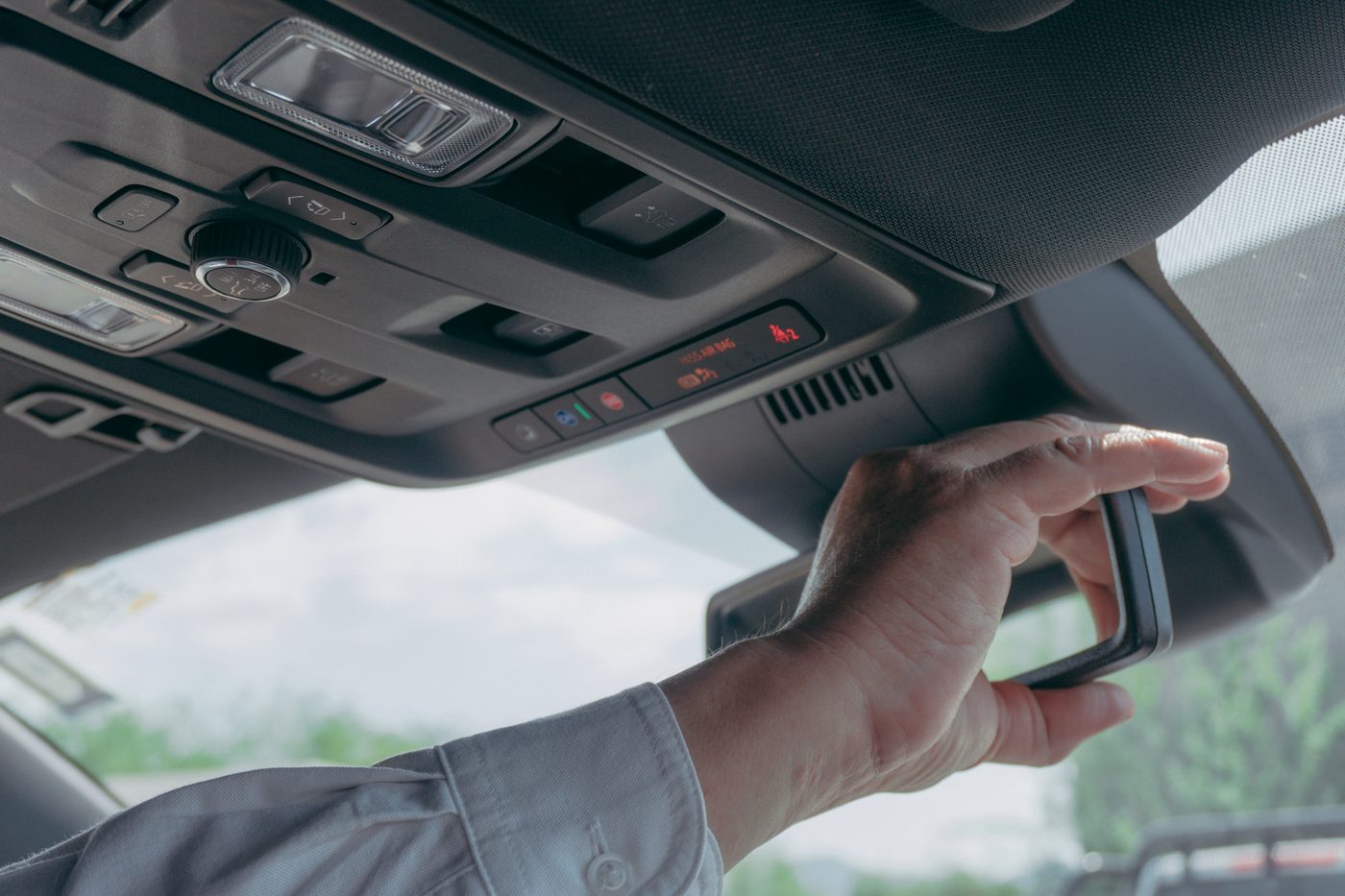
- mirrors and seat are adjusted for comfort, full control and maximum vision
- head restraints are properly adjusted, which the rule says reduces the risk of neck and spine injuries in a collision
It also recommends, for emergency use, a mobile telephone containing emergency contacts such as breakdown assistance, and high-visibility clothing.
What sits elsewhere on the same page
Rules 95 and 96 on alcohol and drugs, Rule 98 on towing and Rules 99 to 102 on seat belts and child restraints appear on the same GOV.UK page and are covered separately in other guides on this site.
The bottom line
The Highway Code page for rules 89 to 102 says a driver must hold a valid licence and insurance for the vehicle and have it legal and roadworthy, must report health conditions likely to affect driving to DVLA, and must be able to read a number plate at 20 metres, wearing glasses or lenses at all times if they are needed to do so. The same rules also advise on tiredness (with a minimum break of at least 15 minutes after every two hours of driving recommended), glare, tinted lenses, seat and mirror adjustment, and fuel or charge.
Sources
- Rules for drivers and motorcyclists (89 to 102), The Highway Code, GOV.UK, content record last updated 2 November 2026, read 3 November 2026 (gov.uk)
- Driving eyesight rules, GOV.UK, content record last updated 9 September 2026, read 3 November 2026 (gov.uk)
- Medical conditions, disabilities and driving, GOV.UK, content record last updated 9 September 2026, read 3 November 2026 (gov.uk)