
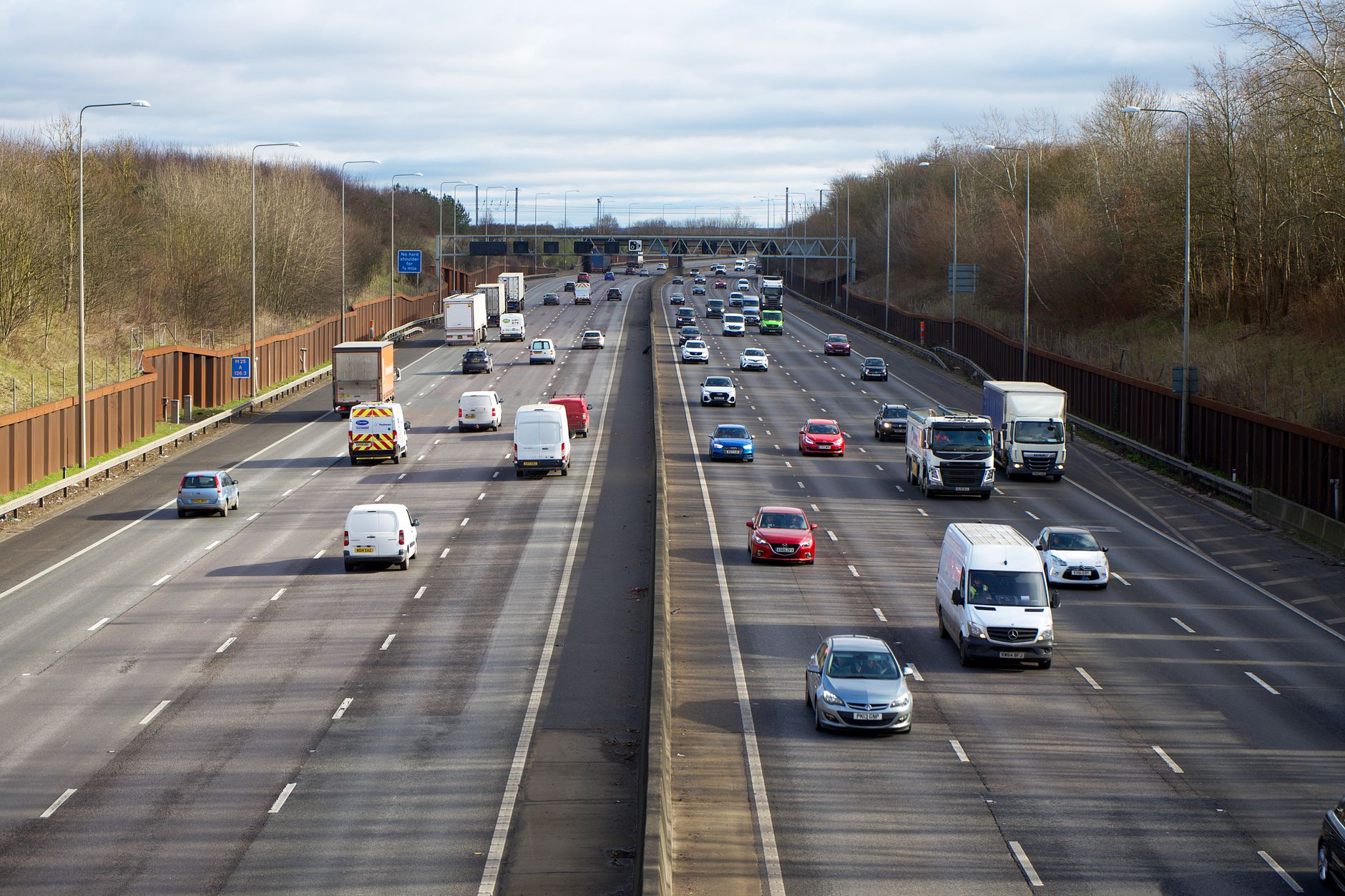
Driving home for Christmas can be a newly qualified driver’s first long journey without an instructor: several hours, unfamiliar motorways, early darkness and the chance of frost. The Highway Code’s rules on fitness to drive and on icy and snowy weather, together with National Highways’ advice on travelling in snow and ice, can be read as a simple timeline. This guide sets that advice out in the order it is needed, from the planning stage to the drive itself.
Several days ahead: the route, the stops and the clock
National Highways advises planning a journey in advance, particularly on routes that are not familiar. Its checklist includes planning the route, checking which service areas are available along it and making sure you know how to operate your headlights and fog lights.
Breaks belong in the plan from the start. Rule 91 of the Highway Code recommends a minimum break of at least 15 minutes after every two hours of driving. On that guideline, a drive of around four and a half hours would include at least two breaks, which is where the service areas on the route come in.
Timing matters too. Rule 91 also says to avoid long journeys between midnight and 6am, when natural alertness is at a minimum.
Fuel or charge is the last planning point. Rule 91 lists having sufficient fuel or charge for the journey, especially if it includes motorway driving.
The day before: packing a winter kit
Both sources list what to carry in winter. National Highways says it is worth carrying essential supplies, especially if severe weather is forecast. The Highway Code’s rule 228 lists an emergency kit in case you get stuck or the vehicle breaks down.
- In both lists: de-icer, an ice scraper, a torch, warm clothing, boots, food and a shovel (National Highways specifies a snow shovel; rule 228 asks for a warm drink and emergency food).
- National Highways adds: water, blankets, a fully charged mobile and car charger, and sunglasses to cope with the low winter sun.
- Rule 228 adds: a first aid kit and jump leads.
The night before: sleep, and the morning-after problem
Rule 91 says not to begin a journey if you are tired and to get sufficient sleep before a long journey.
December brings a second issue. Rule 95 warns that alcohol takes time to leave the body, and that a driver may be unfit to drive in the morning after drinking the previous evening. It says the best solution is not to drink at all when planning to drive. The legal limits differ: in England and Wales the breath limit is 35 microgrammes of alcohol in 100 millilitres of breath, and in Scotland it is lower, at 22 microgrammes. The guide to the first 12 months after passing covers other new-driver points.
Check the forecast that evening. Rule 228 says to check the local weather forecast for warnings of icy or snowy weather and not to drive in those conditions unless the journey is essential. National Highways says that if snow or ice is expected, consider delaying the journey until it clears.
Departure morning: before the car moves
Rule 229 sets out what to do before setting off in icy or snowy weather. Two points are written as MUST, with the laws behind them cited in the rule:
- Clear all snow and ice from all windows.
- Make sure lights are clean and number plates are clearly visible and legible.
The same rule also says to make sure the mirrors are clear and the windows thoroughly demisted, to remove any snow that might fall off into the path of other road users, and to check that the planned route is clear of delays and that no further snow or severe weather is predicted.
On the road: breaks, gritters and gaps
Feeling sleepy is a signal to stop. Rule 91 says to stop in a safe place if you feel sleepy, and not in an emergency area or on the hard shoulder of a motorway.
On cold nights, gritters may be working. National Highways says its gritters usually salt from the middle lanes at speeds up to 50mph, and that when clearing snow they may be in any lane at 5 to 40mph. It asks drivers never to tailgate a gritter, to pass only when it is safe and not to undertake, because gritters need to change lanes at junctions.
Following distances grow on ice. Rule 230 says stopping distances can be ten times greater than on dry roads, and National Highways says up to 10 times the normal gap may be needed. The guide to driving in rain, ice, fog and wind covers the rest of the adverse weather rules.
If the car develops a problem on a motorway, National Highways says to stay calm and try to exit at the next junction or motorway service area. The breakdown and collision guide sets out what the Highway Code says to do when that is not possible.
A quick pre-departure checklist
- Route planned, with service areas for a break at least every two hours.
- Departure time outside midnight to 6am.
- Enough fuel or charge for the motorway stretches.
- Winter kit packed and phone charged.
- No alcohol the night before, and a good night’s sleep.
- Forecast checked; windows, lights and number plates clear before moving.
The bottom line
Most of the advice for a long Christmas drive applies before the engine starts. The Highway Code recommends at least 15 minutes’ break after every two hours, avoiding long journeys between midnight and 6am, and not starting tired. It requires windows clear of snow and ice and lights and number plates clean and legible. National Highways adds route and service-area planning, a winter kit and the option of delaying the trip when snow or ice is forecast.
Sources
- The Highway Code: rules for drivers and motorcyclists (89 to 102) (gov.uk)
- The Highway Code: driving in adverse weather conditions (226 to 237) (gov.uk)
- Travelling in snow and ice (nationalhighways.co.uk)